College and university are expensive enough. Between tuition, rent, textbooks, and groceries, it can feel like money disappears faster than your phone battery during finals week.
But saving money doesn’t always mean cutting out fun—it often just means getting a little creative. Many things students pay for can easily be done yourself with a little time, effort, and sometimes a YouTube tutorial.
Here are 10 things you should try doing yourself instead of paying someone else to do them.
1. Assemble Your Own Furniture
Buying IKEA furniture is almost a student rite of passage. But some people pay extra for assembly services.
Instead, grab a friend, follow the instructions, and build it yourself. Not only will you save money, but you’ll probably end up laughing over the confusing diagrams along the way.
Plus, you’ll gain a useful life skill—problem solving and basic DIY skills go a long way when you live on your own.
2. Cook Simple Meals Instead of Ordering Takeout
Ordering food is convenient, but it adds up quickly. A $20 takeout order here and there can easily turn into hundreds of dollars a month.

Instead, try cooking simple meals like:
- Soup
- Scrambled eggs or omelets
- Salads
- Pasta dishes
You don’t even have to figure it out yourself. There are several TikTok creators who share weekly meal plans with 30-minute recipes and full grocery lists, which makes cooking much easier for busy students. Many of these plans focus on affordable ingredients and simple meals you can prep quickly during the week.
Learning just a few easy recipes can save you hundreds of dollars each semester.
3. Make Your Own Holiday Decorations
Decorating for holidays or special occasions can be fun, but it doesn’t have to be expensive.
Start with a quick trip to the Dollar Store. Stores like Dollarama often have surprisingly great decorations for a fraction of the price you’d pay elsewhere.
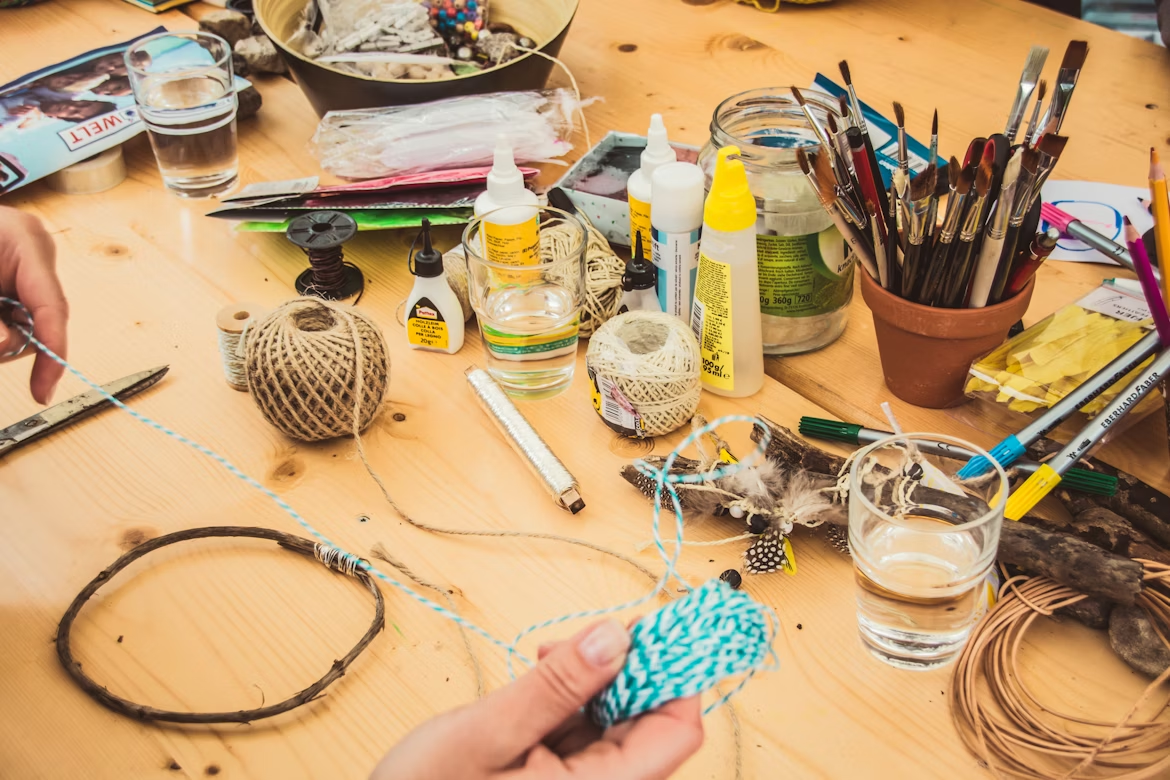
From there, you can get creative. Buy a few inexpensive supplies like string, glue, or ornaments and turn it into a fun activity with friends—making your own decorations or customizing what you bought. It’s a great way to decorate your space while staying on budget.
4. Basic Clothing Repairs
Instead of replacing clothes or paying for alterations, learn basic repairs like:
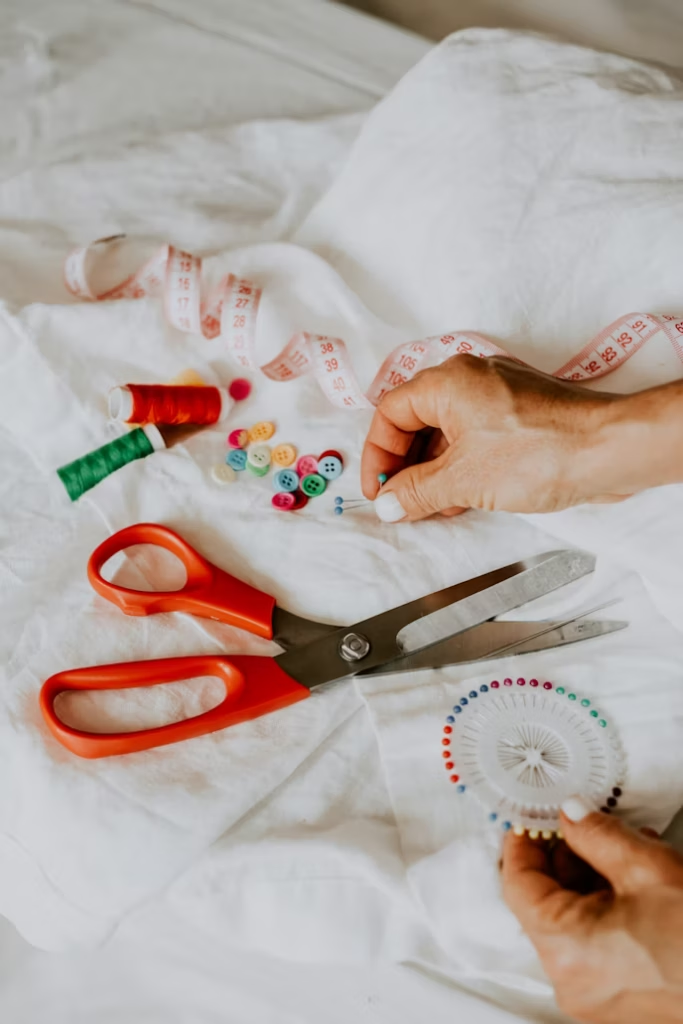
- Sewing a loose button
- Fixing a small tear
- Hemming pants
A simple sewing kit costs only a few dollars and can extend the life of your clothes.
5. Coffee at Home
Coffee runs are one of the most common budget killers for students. While grabbing a latte on the way to class is convenient, the cost adds up quickly.
Many coffee machines like Nespresso or Keurig frequently go on promotion at retailers like Amazon or Walmart, making it easy to set up a simple coffee station at home. Once you have the machine, you can buy pods in bulk and make coffee in minutes.
If you prefer something even simpler, a French press is another affordable option. It takes a little more effort—boiling water, waiting a few minutes, then pressing—but it’s still much cheaper than daily coffee shop visits.
Either way, making coffee at home can save hundreds of dollars each year.
6. Hair Trims and Simple Grooming
While professional haircuts are sometimes worth it, simple trims or grooming can often be done yourself.
There are plenty of tutorials online, and doing basic maintenance between salon visits can save money over time.
7. Workout Without an Expensive Gym
You don’t need a pricey gym membership to stay active.
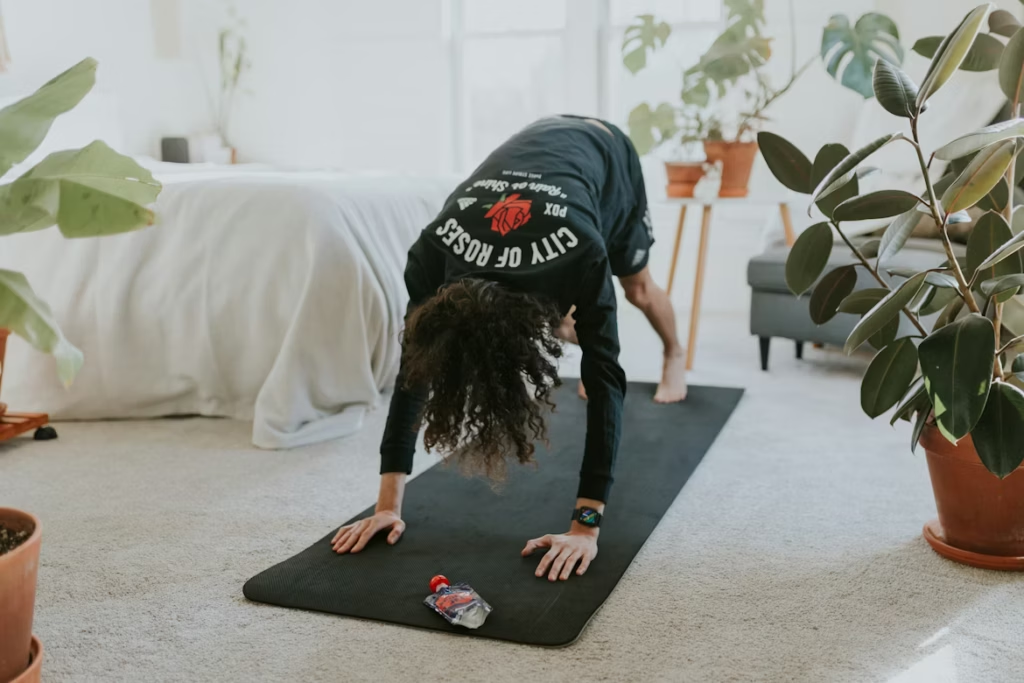
Try:
- Using your campus gym
- Running or walking outdoors
- Bodyweight workouts at home
- Free fitness videos online
Staying active doesn’t have to strain your budget.
8. DIY Gifts for Friends
Between birthdays, holidays, and celebrations, gift expenses can add up quickly.
Instead of buying expensive gifts, consider:
- Baking something homemade
- Creating a photo collage
- Making personalized decorations
DIY gifts are often more meaningful and budget-friendly.
9. DIY Room Decor and Organization
Making your dorm or apartment feel like home doesn’t have to cost a lot. Instead of buying expensive decor and storage solutions, try combining creativity with simple organization hacks.
You can:
- Print your own photos or posters for wall art
- Use string lights or handmade decorations for a cozy feel
- Repurpose jars, boxes, or containers for storage
- Rearrange furniture to maximize space
A little creativity can make your space feel personal and organized without spending much money—and it’s often more fun to design it yourself.
10. Learn Basic Budgeting Yourself

SOne of the best financial habits you can develop as a student is learning how investing works. The good news is that you don’t need to start with real money to begin building that knowledge.
There are plenty of free resources available online, from articles and videos to educational tools that explain the basics of markets, portfolios, and long-term investing.
You can also take advantage of investment simulation platforms like StockTrak, which allow students to practice trading, build portfolios, and test strategies in a realistic environment without risking real money. These tools help you gain hands-on experience and understand how markets work before investing your own savings.
By making the most of free learning resources now, you can build confidence and financial skills that will help you make smarter investment decisions in the future.
Turning Small Savings Into Future Investments
Saving money through small DIY habits might not feel like a big deal in the moment. But those small savings add up over time.
For example, if you save:
- $40 a month from cooking instead of ordering takeout
- $20 a month from making coffee at home
- $20 from skipping unnecessary services
That’s $80 a month—or nearly $1,000 a year.
Money that might have disappeared on convenience can instead be saved or invested. Over time, those habits can help build a strong financial foundation for the future.
Sometimes the smartest financial move isn’t complicated investing strategies—it’s simply learning when you can do things yourself.